Welcome
I’m a physical oceanographer at the Department of Marine Sciences, University of Gothenburg. My research focuses on the physical processes governing the exchange of heat, moisture, and carbon dioxide between the ocean and atmosphere. I work with a team of talented and hard working people, with a goal to advance our understanding of the ocean’s role in our climate. Specifically, we focus on how ocean dynamics, ranging from microscale turbulence to mesoscale dynamics, interact with rapdily evolving atmospheric weather systems to control the transfer of climate-critical properties across the air-sea interface and into the ocean interior.
My research is supported by several ongoing projects, including:
- Vetenskapsrådet Strategic Recruitment Funding (2026-2031)
- European Research Council Starting Grant (SOFIA, 2026-2031)
- Carl Tryggers Foundation Equipment Grant (2026-2028)
- SYNCHRONY (2026-2030)
Read more about the SOFIA project and the Swedish Research Council project.
Interested in joining us?
Please get in touch if you are interested in collaborating or joining our team. We are always open for motivated and curious people. We have several upcoming opportunities:
- We plan to open two Postdoc positions within the SOFIA project starting early-to-mid 2027.
- For student bachelors and masters research projects, please get in touch.
- I’m happy to support fellowship applications, such as the Marie Skłodowska-Curie Fellowship, VR International Postdoc (17/02 deadline), and Carl Tryggers Postdoc (14/05 deadline). Reach out to discuss project options.
News
- Welcoming Paula Damke to the group
2026-06-02
Welcome to the Polar Glider’s Research Team, Paula!
- Welcoming Julia Noack to the group
2026-04-18
Welcome to the Polar Glider’s Research Team, Julia!
- Publication (and some media attention) on cause for major Antarctic sea ice decline
2026-03-19
Recent PhD graduate Theo Spira’s 2nd PhD chapter has just been published in Nature Climate Change!
Research interests
Air-sea interactions; Submesoscale dynamics; Mid-latitude cylones; Ocean heat and CO2 uptake; Autonomous ocean observations
Our Approach
Observing ocean variability at small scales and across vast regions requires an integration of various ocean observing capabilities. For this, we use use mix of autonomous ocean robotics such as profiling gliders and floats, and surface uncrewed vehicles.
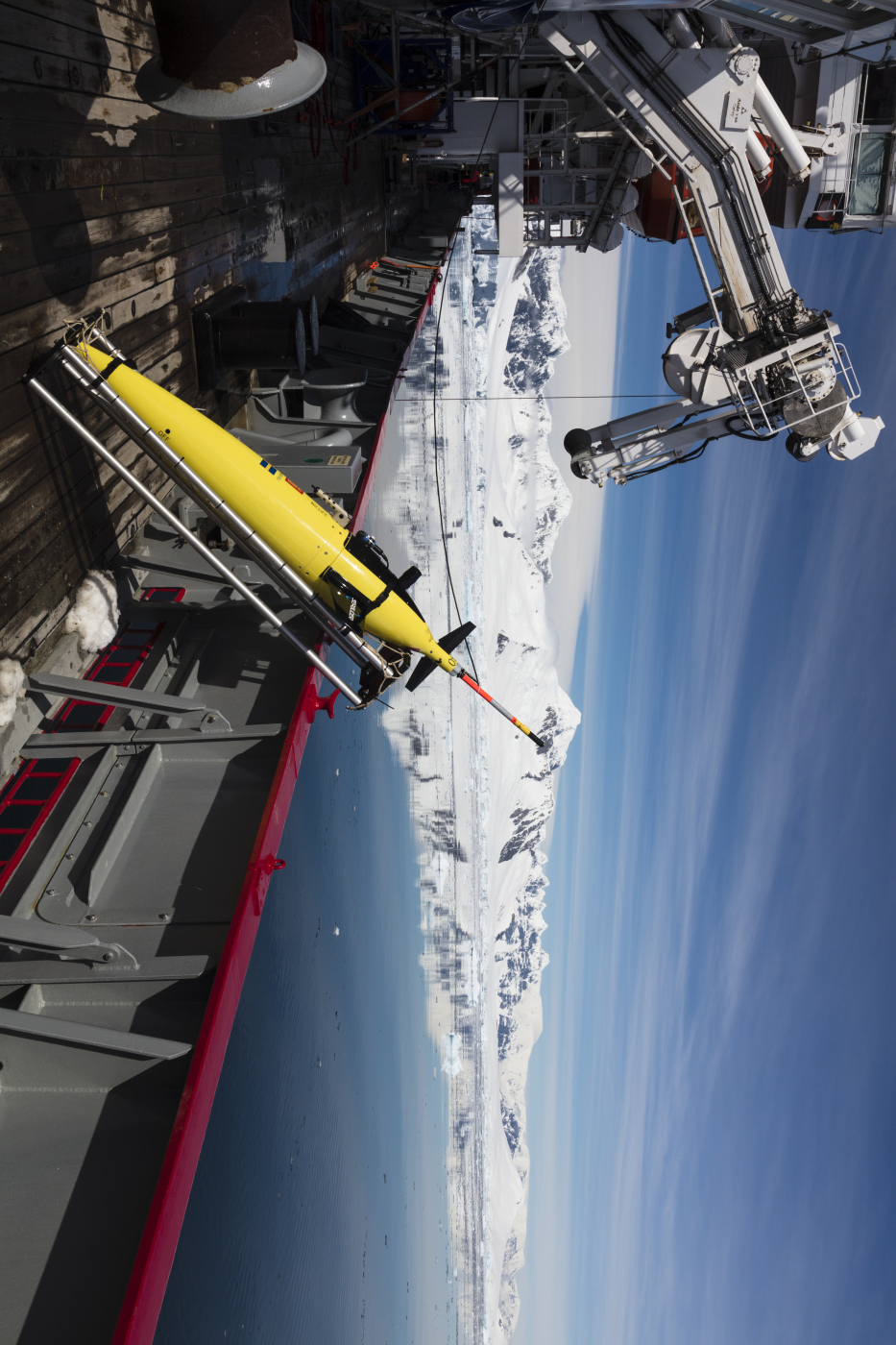
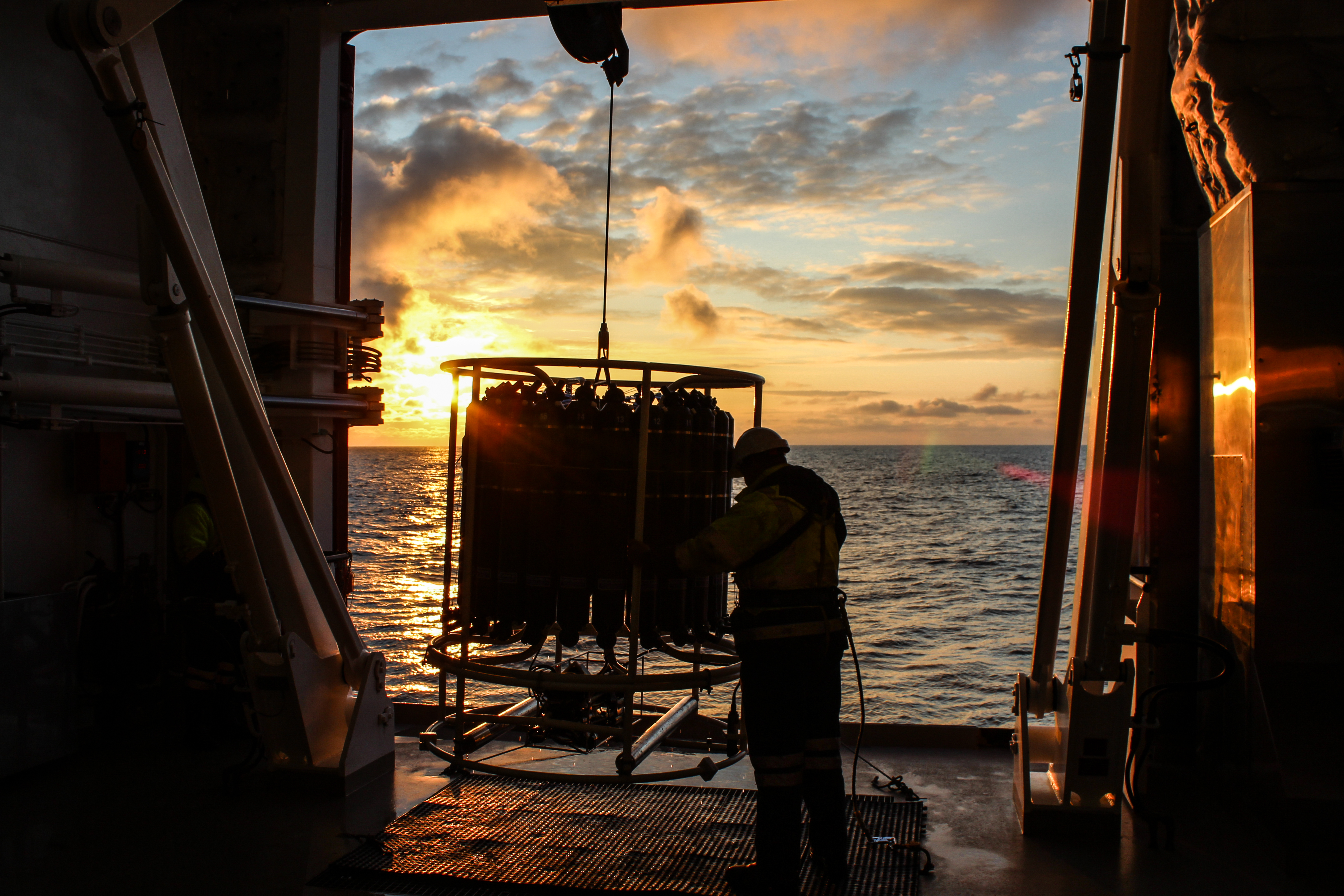
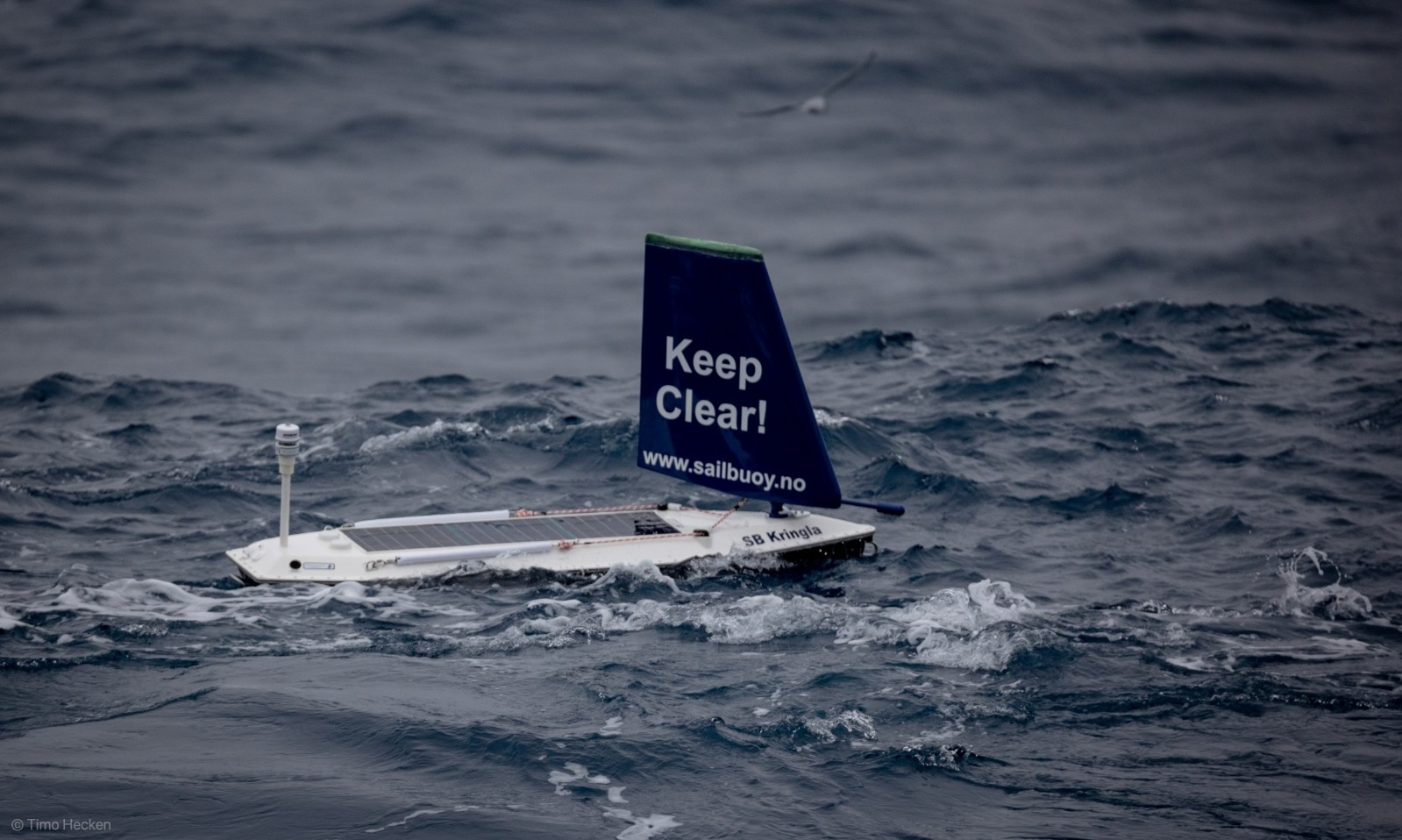
Autonomous platforms support our research. Seaglider (top left), X-Spar (bottom right), and Sailbuoy (bottom left). The top right picture illustrates a fundamnetally important tool used for ocean research: the CTD, taken during the SO-CHIC Southern Ocean field campaign. Photo credits: Louise Biddle (Seaglider) and Emerick Missud (X-Spar), Timo Hecken (Sailbuoy).
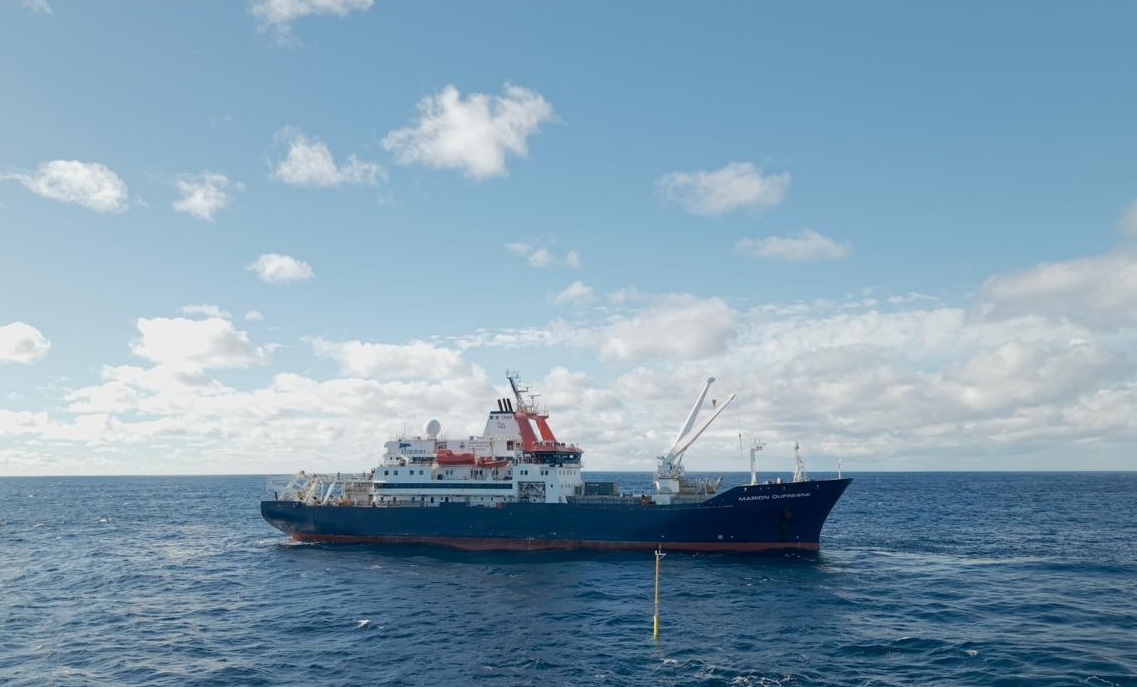
I have been fortunate to be able to deploy these autonomous platforms far out into the ocean on several research expiditions, with my first experience to the Southern Ocean and Antarctica during my honours year at the University of Cape Town. To date I have participated in seven research expeditions on several world class vessels. I am hugely grateful to those who have provided the opportunity for me to build my career as a sea going oceanographer.
Then, we compliment and upscale these in-stiu observations using a blend of satellite observations, high-resolution coupled models and state-of-the-art reanalysis products provided by global weather centers.
For instance, in SOFIA project we will explore new modelling capabilities by examining the Coupled Ocean-Atmosphere Simulation with Kilometer-Scale Resolution hosted by JPL-NASA. This is a unique, first-of-its-kind simulation in its resolution that we hope will reveal the role of high-frequency processes in shaping ocean heat uptake.
A visualization of strong polar winds interacting with a highly dynamic and energetic ocean surface. Source: Hector Torres @ JPL-NASA